Safe infused oils
Garlic and onion flavour without the fructans — because those FODMAPs are water-soluble, not oil-soluble. Make small batches, store them cold, and use them everywhere.
- Lower gas
- More flavour
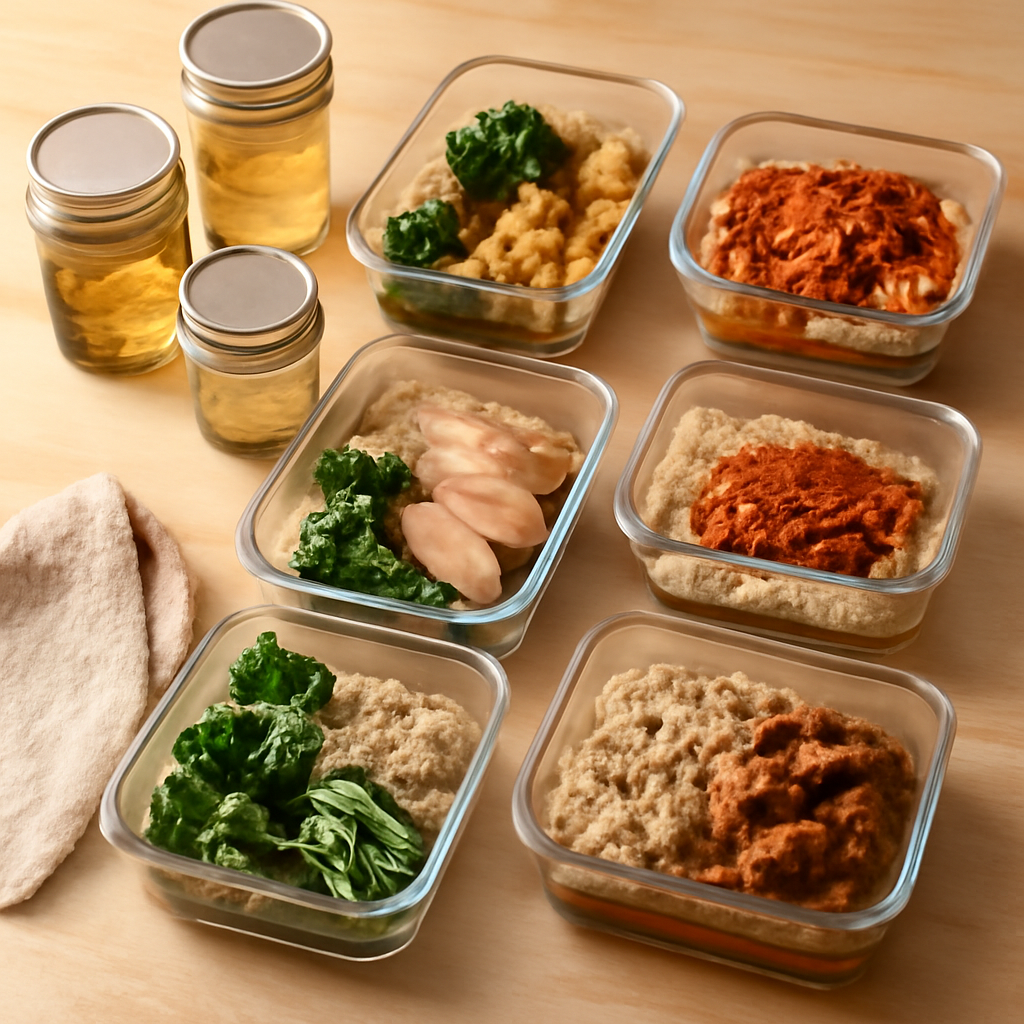
Onion and garlic fructans are water-soluble but not fat-soluble, so an oil infused with them carries the aroma without most of the FODMAP load. That's why infused oil works where 'add it then fish it out of the soup' does not. Homemade infused oils are a flavour tool, not a shelf-stable pantry product — treat their storage conservatively (see the safety note). The two things people get wrong are heat and time: a short, gentle, hot infusion works far better than leaving garlic sitting in warm oil for hours.
⚠ Food safety
Homemade garlic, onion and herb oils are a useful flavour tool, but they are not the same as supermarket shelf-stable infused oils. Commercial products can be made with acidified ingredients, dried ingredients, extracts, preservatives, and tested processing controls. At home, make smaller batches, strain out solids, refrigerate promptly, use within about a week, and freeze-store any extra in small portions. The oil may not freeze solid — it may just become thick or cloudy — and that is okay.
- Make small batches and strain solids out well.
- Keep the infusion short and gentle — a few minutes at a low sizzle, not a long warm soak.
- Refrigerate promptly; use within about a week.
- Do not store homemade fresh-garlic/onion/herb oil at room temperature for weeks or months, and don't hold garlic in warm oil for hours (low-acid garlic in oil is a botulism risk).
- Freeze any excess in small portions; the oil may go thick or cloudy rather than solid.
- If your oil turns cloudy, very dark or tastes harsh and bitter, it was likely infused too long or too hot — make the next batch shorter and gentler.
Best for
- Pasta
- Chicken
- Potatoes
- Rice bowls
- Mild mince
- Roast vegetables
- Sauces and gravy
- Garlic bread
- Toasted breadcrumbs and croutons
Replaces
- Fresh onion and garlic solids
- Onion/garlic powder in seasoning
What you need
- A neutral, affordable oil (see oil choice below) — or butter, if you want a garlic/herb butter
- Fresh flavouring solids (garlic, onion, herbs, ginger, spices, lemon zest)
- Small clean storage jars or containers
How to make it
- Warm the oil with the flavouring solids over a low–medium heat until the garlic or onion just starts to gently sizzle — keep it low, never let it brown, burn or smoke (burnt allium turns bitter, and browning pushes more fine solids and colour into the oil).
- Hold it at that gentle sizzle for about 2–4 minutes — that's long enough to draw the aroma into the oil.
- Take it off the heat. You can let it sit for 10–15 minutes as it cools to deepen the flavour — but don't leave garlic sitting in warm oil for hours. A long warm hold pulls in more particles AND is a real food-safety risk (botulism) with low-acid garlic in oil.
- Strain through a fine sieve so no solids remain.
- Cool quickly, then refrigerate straight away.
- Use within about a week; freeze any extra in small portions.
No oil made up? Infuse it in the pan
You don't need a jar in the fridge. This is how our founder gets onion and garlic flavour into most dinners: make the oil in the pan you're about to cook in, and lift the pieces out before anything else goes in.
- Put your oil in the pan and turn it to low.
- Peel an onion and cut it in half or into thirds. Cut a whole bulb of garlic in half across the middle. Put them straight into the oil.
- Leave them on low for 10–20 minutes while you do the rest of your prep. You want a gentle bubble, not browning.
- Lift out every piece of onion and garlic before anything wet goes in — stock, passata, vegetables or water. Then carry on with the recipe.
- Keep the pieces big. Halves and thirds lift out whole; diced or sliced onion breaks up and leaves bits in the oil. It's a FODMAP thing, not an allergy, so a few stray bits in a full meal usually don't matter much — but how much they matter depends on how sensitive you are, and whole pieces keep it simple.
- Lift them out before the wet ingredients. The part of onion and garlic that causes wind dissolves in water, not oil — once stock or passata goes in with them still there, it isn't an infused oil any more.
- Use it straight away, in the same cook. Don't bottle and keep this one; for a jar to keep, use the method above and refrigerate it.
- For the family: the softened onion and garlic don't have to go in the bin. Peel the garlic first if you like, then chop it all and stir it through everyone else's portions.
- If a recipe uses the oil at the end — a drizzle, a glaze, a dressing — make it this way in a small pan while you prep, lift the pieces out, and use it when the recipe asks.
How to store it
Refrigerate promptly and use within about 7 days as a conservative default. Freeze-store extra in small containers. The oil may not freeze hard — it can become thick, cloudy or semi-solid depending on the oil — and that's fine; the freezer is just safer cold storage.
How to use it
- Finish pasta, rice and potatoes with a drizzle.
- Start a mild mince or sauce with a spoon of allium oil instead of fresh onion/garlic.
- Brush herb oil over roast chicken or pumpkin.
- Make it with butter instead of oil for a garlic or herb butter: gently melt the butter, add the garlic/herbs, keep it on a low heat for 2–3 minutes, then strain it (or leave the very fine flavoured butter in) and chill. Lovely for garlic bread, or melted over veg, pasta or mash.
- Fry fresh or dried breadcrumbs in a little garlic oil or garlic butter until golden for toasted garlic crumbs (pangrattato) — a crunchy, flavourful topping. See the gentle-crunch guide.
- Toss small cubes of bread in garlic butter and toast them for garlic croutons.
- Use the toasted garlic crumb in place of plain breadcrumbs in meatballs or rissoles for a toasty, savoury lift.
Oils to make
Garlic rice bran oil
Lower-riskDefault oil: Rice bran oil
- Lower gas
Use for: Pasta, Chicken, Potatoes, Rice bowls, Mild mince
How to make it
- Neutral oil (rice bran preferred)
- A few peeled garlic cloves, lightly crushed
- Warm the oil with the solids over a low–medium heat until the garlic/onion just starts to gently sizzle — never let it brown, burn or smoke.
- Hold it at that gentle sizzle for about 2–4 minutes — long enough to release the aroma, not so long that it browns or pulls extra fine solids into the oil.
- Take it off the heat; it can sit 10–15 minutes as it cools to deepen, but don't leave it warm for hours.
- Strain through a fine sieve so no solids remain, cool quickly and refrigerate.
Storage: Homemade — not shelf-stable. Refrigerate promptly and use within about 7 days; freeze extra in small portions (it may go thick or cloudy rather than solid).
Onion rice bran oil
Lower-riskDefault oil: Rice bran oil
- Lower gas
Use for: Bolognese, Nacho-style mince, Gravy, Soups, Casseroles, Rice dishes
How to make it
- Neutral oil (rice bran preferred)
- A few thick slices of onion
- Warm the oil with the solids over a low–medium heat until the garlic/onion just starts to gently sizzle — never let it brown, burn or smoke.
- Hold it at that gentle sizzle for about 2–4 minutes — long enough to release the aroma, not so long that it browns or pulls extra fine solids into the oil.
- Take it off the heat; it can sit 10–15 minutes as it cools to deepen, but don't leave it warm for hours.
- Strain through a fine sieve so no solids remain, cool quickly and refrigerate.
Storage: Homemade — not shelf-stable. Refrigerate promptly and use within about 7 days; freeze extra in small portions (it may go thick or cloudy rather than solid).
Combined allium oil
Lower-riskDefault oil: Rice bran oil
- Lower gas
Use for: General savoury cooking, Mince, Roast potatoes, Chicken, Sauces
How to make it
- Neutral oil (rice bran preferred)
- Onion slices + crushed garlic
- Warm the oil with the solids over a low–medium heat until the garlic/onion just starts to gently sizzle — never let it brown, burn or smoke.
- Hold it at that gentle sizzle for about 2–4 minutes — long enough to release the aroma, not so long that it browns or pulls extra fine solids into the oil.
- Take it off the heat; it can sit 10–15 minutes as it cools to deepen, but don't leave it warm for hours.
- Strain through a fine sieve so no solids remain, cool quickly and refrigerate.
Storage: Homemade — not shelf-stable. Refrigerate promptly and use within about 7 days; freeze extra in small portions (it may go thick or cloudy rather than solid).
Rosemary & thyme oil
Lower-riskDefault oil: Rice bran oil
- Lower gas
Use for: Roast chicken, Lamb, Potatoes, Pumpkin, Gravy
How to make it
- Neutral oil (rice bran preferred)
- Fresh rosemary and thyme sprigs
- Warm the oil with the solids over a low–medium heat until the garlic/onion just starts to gently sizzle — never let it brown, burn or smoke.
- Hold it at that gentle sizzle for about 2–4 minutes — long enough to release the aroma, not so long that it browns or pulls extra fine solids into the oil.
- Take it off the heat; it can sit 10–15 minutes as it cools to deepen, but don't leave it warm for hours.
- Strain through a fine sieve so no solids remain, cool quickly and refrigerate.
Storage: Homemade — not shelf-stable. Refrigerate promptly and use within about 7 days; freeze extra in small portions (it may go thick or cloudy rather than solid).
Ginger oil
Lower-riskDefault oil: Rice bran oil
- Lower gas
Use for: Stir-fries, Rice noodles, Chicken soup, Mild Asian-style bowls
How to make it
- Neutral oil (rice bran preferred)
- Sliced fresh ginger
- Warm the oil with the solids over a low–medium heat until the garlic/onion just starts to gently sizzle — never let it brown, burn or smoke.
- Hold it at that gentle sizzle for about 2–4 minutes — long enough to release the aroma, not so long that it browns or pulls extra fine solids into the oil.
- Take it off the heat; it can sit 10–15 minutes as it cools to deepen, but don't leave it warm for hours.
- Strain through a fine sieve so no solids remain, cool quickly and refrigerate.
Storage: Homemade — not shelf-stable. Refrigerate promptly and use within about 7 days; freeze extra in small portions (it may go thick or cloudy rather than solid).
Cumin, coriander & smoked paprika oil
Lower-riskDefault oil: Rice bran oil
- Lower gas
Use for: Mild tacos, Nachos, Rice bowls, Mince, Pumpkin soup
How to make it
- Neutral oil (rice bran preferred)
- Cumin, coriander and smoked paprika
- Warm the oil with the solids over a low–medium heat until the garlic/onion just starts to gently sizzle — never let it brown, burn or smoke.
- Hold it at that gentle sizzle for about 2–4 minutes — long enough to release the aroma, not so long that it browns or pulls extra fine solids into the oil.
- Take it off the heat; it can sit 10–15 minutes as it cools to deepen, but don't leave it warm for hours.
- Strain through a fine sieve so no solids remain, cool quickly and refrigerate.
Storage: Homemade — not shelf-stable. Refrigerate promptly and use within about 7 days; freeze extra in small portions (it may go thick or cloudy rather than solid).
Lemon zest oil
Lower-riskDefault oil: Rice bran oil
- Lower gas
Use for: Fish, Chicken, Rice, Finishing drizzle
How to make it
- Neutral oil (rice bran preferred)
- Strips of lemon zest (no pith)
- Warm the oil with the solids over a low–medium heat until the garlic/onion just starts to gently sizzle — never let it brown, burn or smoke.
- Hold it at that gentle sizzle for about 2–4 minutes — long enough to release the aroma, not so long that it browns or pulls extra fine solids into the oil.
- Take it off the heat; it can sit 10–15 minutes as it cools to deepen, but don't leave it warm for hours.
- Strain through a fine sieve so no solids remain, cool quickly and refrigerate.
Storage: Homemade — not shelf-stable. Refrigerate promptly and use within about 7 days; freeze extra in small portions (it may go thick or cloudy rather than solid).
Chilli oil (caution)
CautionDefault oil: Rice bran oil
- Lower gas
Use for: Only for people who know they tolerate chilli
How to make it
- Neutral oil (rice bran preferred)
- Dried or fresh chilli
- Warm the oil with the solids over a low–medium heat until the garlic/onion just starts to gently sizzle — never let it brown, burn or smoke.
- Hold it at that gentle sizzle for about 2–4 minutes — long enough to release the aroma, not so long that it browns or pulls extra fine solids into the oil.
- Take it off the heat; it can sit 10–15 minutes as it cools to deepen, but don't leave it warm for hours.
- Strain through a fine sieve so no solids remain, cool quickly and refrigerate.
Storage: Homemade — not shelf-stable. Refrigerate promptly and use within about 7 days; freeze extra in small portions (it may go thick or cloudy rather than solid).
Chilli oil is NOT a low-risk equivalent of garlic oil. Capsaicin is an irritant/stimulant and can carry through into the oil. Treat as amber: suitable only if you know you tolerate chilli. Same homemade storage rules apply — refrigerate, use within about a week, freeze extra.
Recipe ideas
- Garlic-oil chicken pasta
- Onion-oil bolognese
- Herb-oil roast chicken
- Ginger-oil rice noodles
- Garlic bread with garlic butter
- Toasted garlic breadcrumbs (pangrattato)
Good to know
- Commercial supermarket infused oils may be shelf-stable because they can use dried or acidified ingredients, filtered extracts, preservatives, and validated processing — homemade oils are not the same.
- Chilli oil is not a low-risk equivalent of garlic oil: capsaicin is an irritant/stimulant and can carry through into the oil. Treat chilli oil as amber, not green.
Related
Lower-risk, gentler and often better tolerated — not a guarantee. Individual tolerance varies; keep working with your own clinical team.